The Pest Co-op Knowledge Center

Welcome to the Pest Co-op Knowledge Center.

CO-OP KNOWLEDGE PORTAL

What do you want to learn?

Identify a Pest

Caught a bug but not sure what it is? Match your specimen against our verified database of regional pests instantly.

Explore Pest Library

Protect My Home

Access practical checklists and seasonal preventative strategies designed by certified entomologists to secure your barrier.

Homeowner Guides

Pest Control 101

Learn the core science of pest management. Master bait strategies, nesting habits, and safe control methodologies.

Start Learning

Co-op Academy

Deepen your expertise with academy courses, comprehensive video walkthroughs, and professional certification paths.

Enter Co-op Academy
CO-OP FIELD GUIDE

Common Regional Pests

Explore our comprehensive library of local wildlife and insects commonly found throughout Western Colorado. Learn about their habits, seasonal activity, and safe management protocols.

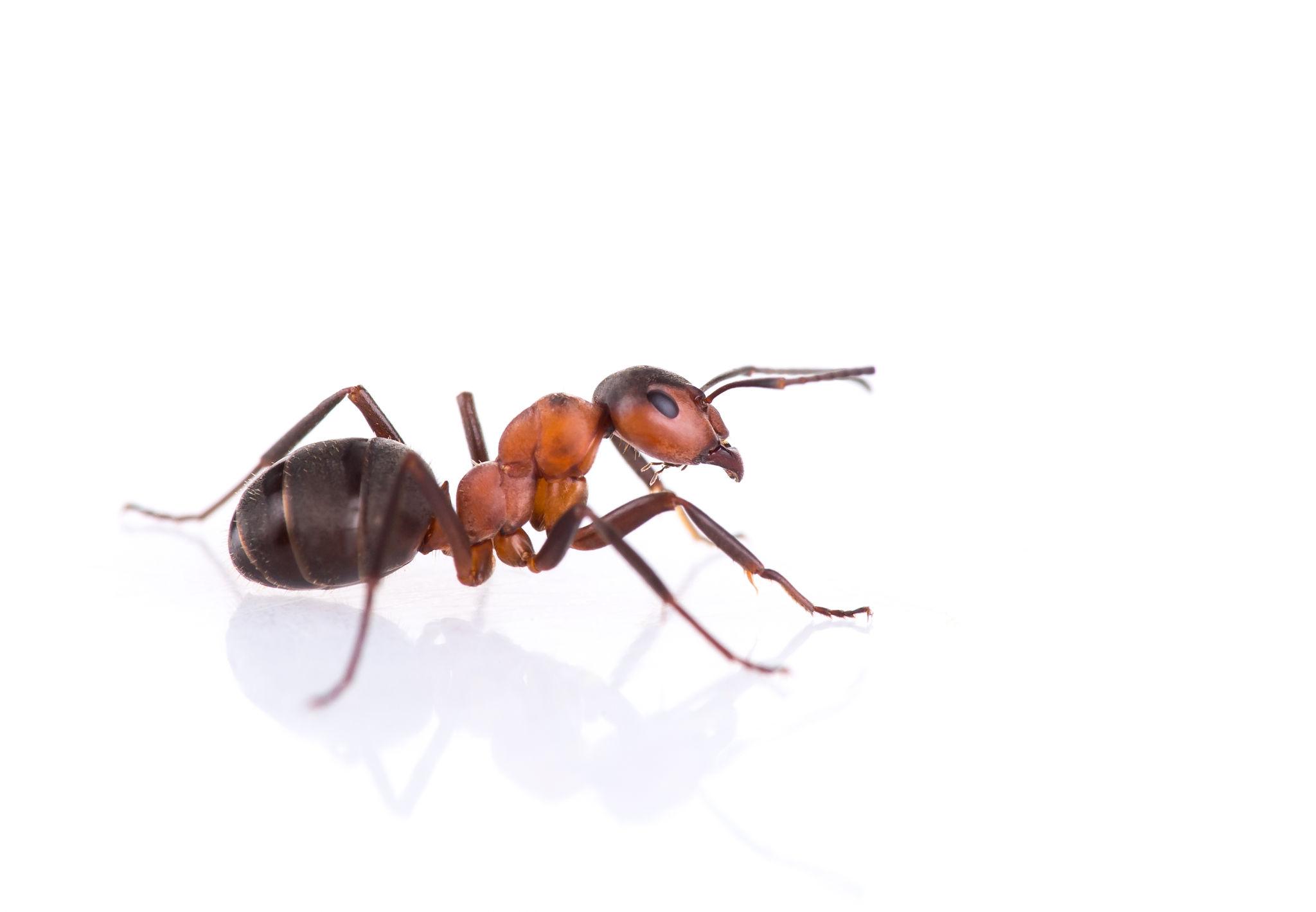
Ants

Common in Western Colorado

Most active: Late Spring through Summer

Learn About Ants

Western Colorado Pest Calendar

What's Active Right Now?

Our unique high-desert climate drives distinct pest behaviors as temperatures drop. Stay ahead of home infestations with this month's seasonal focus.

October Alert

As overnight freezes begin, high-desert pests seek immediate warm shelter inside crawlspaces, attics, and walls.

Spiders

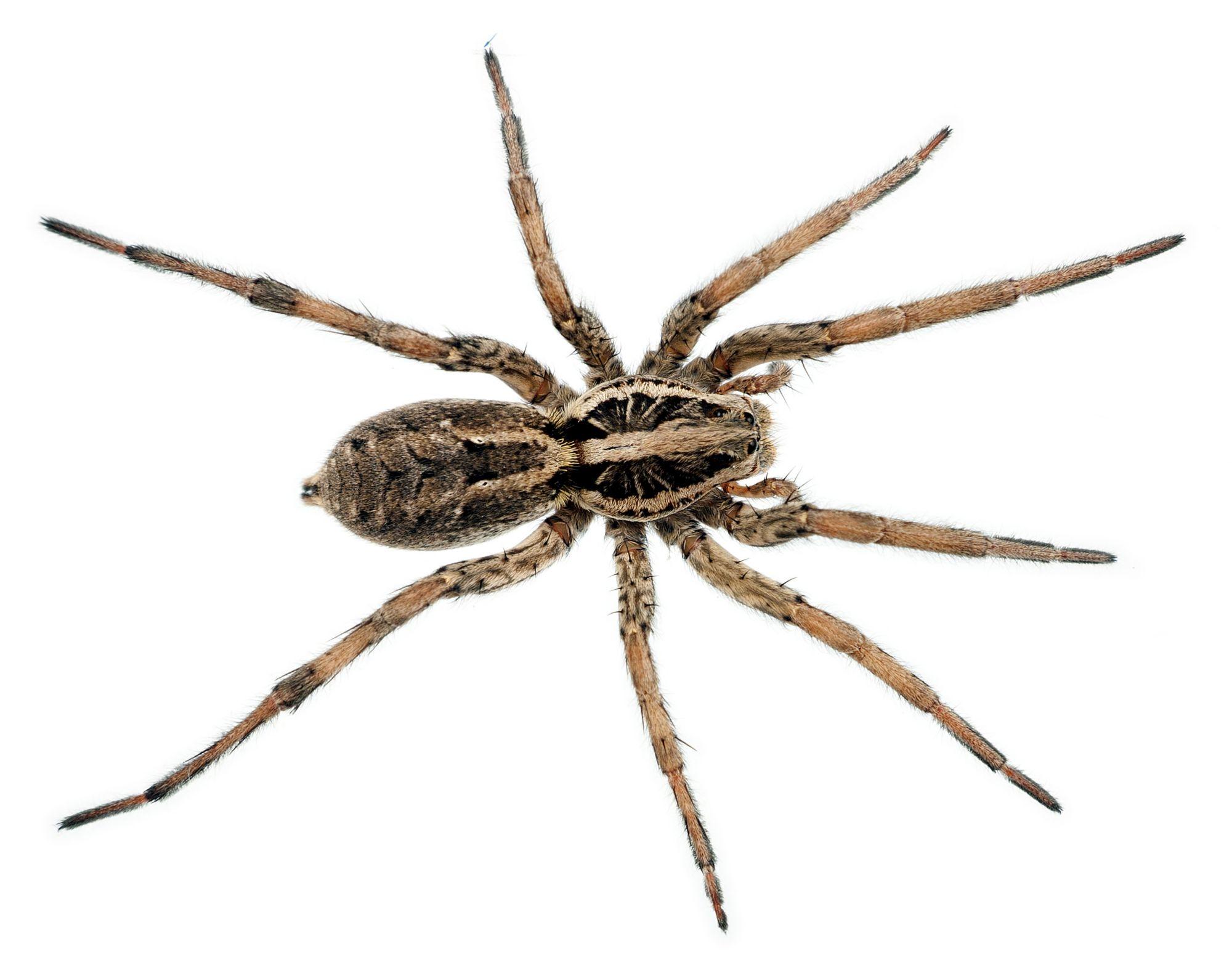
Wolf Spiders and Widows migrate inward looking for warmth and mates. Keep basements dry and sealed.

Rodents

Deer mice and house mice actively seek crawlspaces, attics, and pantries to build winter nests.

Overwinterers

Boxelder bugs and Elm seed bugs gather on sunny, warm exterior walls before invading structures.

View Full Pest Calendar Plan ahead with our complete 12-month Colorado prevention guide.

CO-OP KNOWLEDGE CENTER

Watch & Learn


FEATURED VIDEO

How to Choose a Pest Control Company You Can Trust

Not all exterminators are created equal. In this guide, our certified specialists break down the critical credentials, eco-friendly safety protocols, and transparent pricing strategies you should demand before welcoming any technician into your home.

More Lessons in the Library

EPISODE 02

Why Follow-Up Treatment Matters

EPISODE 03

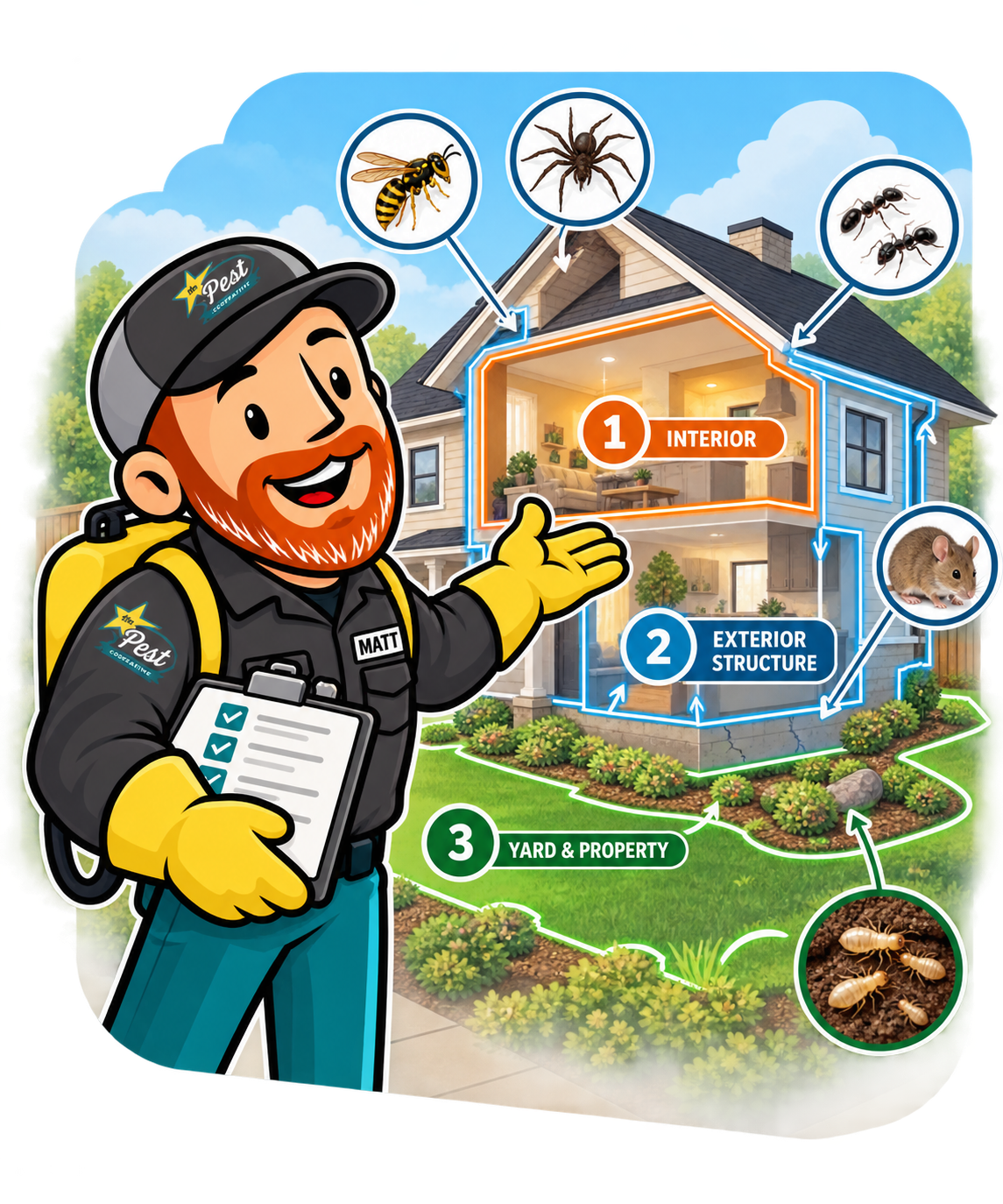
Demystifying the Three Zones of Defense

EPISODE 04

DIY vs. Professional Pest Control: Cost Analysis

Interactive Quiz

Test Your Pest Knowledge

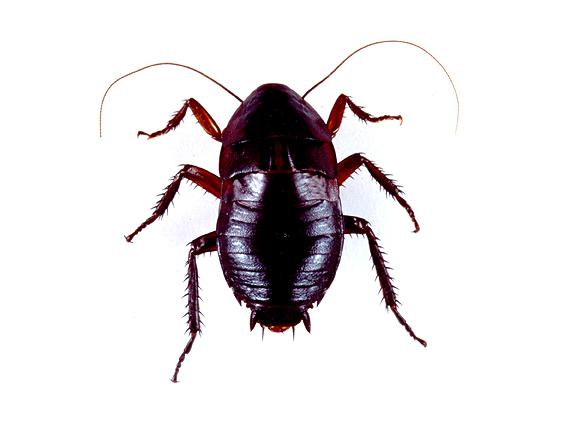
German cockroaches are among the most common indoor pests. See if you can spot the warning signs of an infestation.

Which of the following can be a sign of German cockroach activity?

A Pepper-like specks on countertops or in drawers
B Large chew marks on wooden structures
C Mud tubes on foundation walls
D Audible clicking noises from the walls

✓ Correct Answer: Option A

German cockroaches frequently leave behind small, dark, pepper-like droppings (fecal specks) in areas they occupy. You will commonly find these on kitchen countertops, inside cabinetry, in drawer corners, or behind food packages.

Learn About German Cockroaches
COOPERATIVE KNOWLEDGE BASE

Ask The Co-op

Have questions about pest treatments, safety, or expectations? Explore clear, transparent answers provided directly by our network of cooperative pest management specialists.

Why am I still seeing pests after a treatment?

It is completely normal to see a brief spike in pest activity immediately following our service. This is called 'flushing'—the botanical and targeted treatments disrupt their nesting zones, forcing pests out into open view as they try to escape. They will diminish entirely within 7 to 14 days.

Absolutely. Safety is our primary metric. We utilize low-toxicity, targeted botanical derivatives and integrated pest management (IPM) practices designed to keep your household safe. We recommend keeping children and pets out of treated areas until any liquid applications have completely dried (typically 1 to 2 hours).

For ongoing home security against insects and rodents, we recommend quarterly services. Pests react heavily to seasonal changes. A recurring program establishes a continuous, resilient barrier around your foundation that stops infestations before they can successfully take root indoors.

Preparation is simple but highly effective: clear items away from baseboards, ensure kitchen counters are wiped clean of food particles, and secure any loose pet toys or food bowls. For external treatments, please close windows and keep gates unlocked so our technicians can access the perimeter.

Expert Pest Identification Help

Still Not Sure What You're Dealing With?

You don't have to be a pest expert to protect your home. Whether you need a quick custom ID or a full professional inspection, our co-op experts are here to help clear up the confusion.

PEST CONTROL 101

Learn how professional pest control actually works.
Lesson 1: Why Pests Enter

Lesson 2: The Three Zones

Lesson 3: Perimeter Defense

Lesson 4: Entry Point Sealing

Lesson 5: Nest Elimination

Lesson 6: Moisture Control

Lesson 7: Seasonal Maintenance

Lesson 8: Professional Monitoring